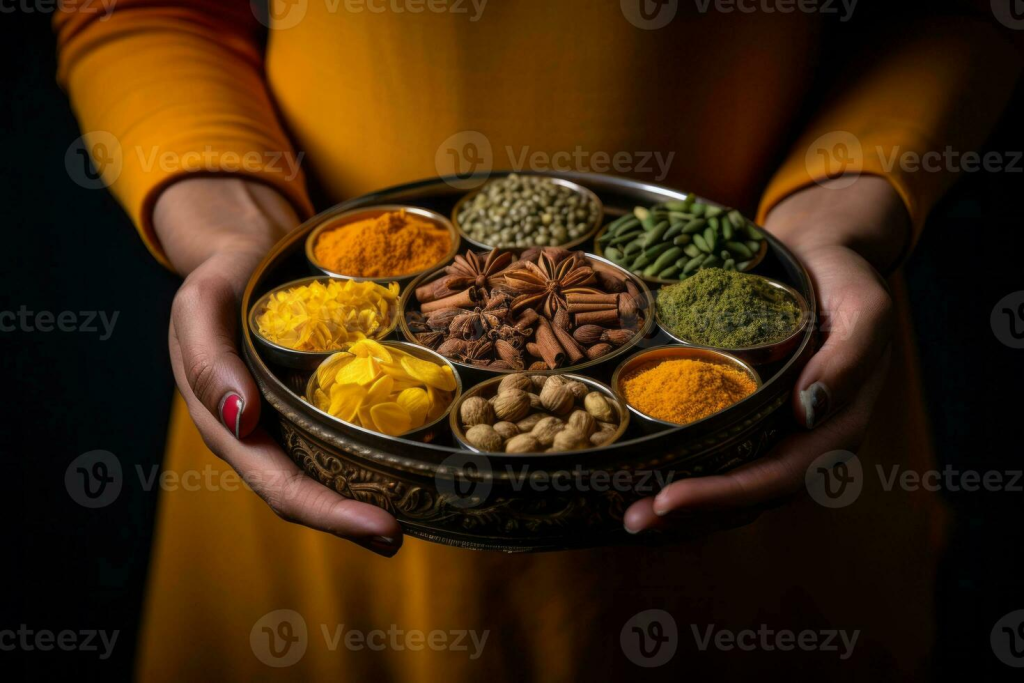
If you grew up in an Indian household, chances are there was a steel box sitting quietly on the kitchen counter, holding everything your mother or grandmother needed within arm’s reach. No labels, no fuss, just seven little bowls of turmeric, chilli, cumin, coriander, mustard, fenugreek, and garam masala, all waiting their turn. That box is the masala dabba, and for decades it was the unsung hero of every Indian kitchen.
Then came the era of plastic jars, mixed spice packets, and pre-blended everything. The dabba quietly slipped into the back of the cupboard, replaced by convenience and clutter. But something interesting has been happening over the last few years. Home cooks, food bloggers, and even professional chefs are rediscovering this humble steel box, and for good reason.
What Exactly Is a Masala Dabba?
A masala dabba, sometimes called a spice tin or masala box, is a round stainless steel container with a tight-fitting lid, holding several smaller bowls (usually five to seven) arranged in a circle. Each bowl holds one spice, and a small spoon sits in the center for easy scooping.
It is not just storage. It is a system. The dabba is designed around the rhythm of everyday Indian cooking, where the same handful of spices show up again and again, just in different proportions and combinations.
The Traditional Seven
While every family has their own preferences, the classic dabba usually includes:
• Turmeric powder (haldi)
• Red chilli powder
• Cumin seeds (jeera)
• Coriander powder
• Mustard seeds
• Fenugreek seeds (methi)
• A blended masala like garam masala
This combination covers almost every tadka, curry base, and dal preparation in Indian cooking. Having them all in one place means a cook never has to stop mid-recipe to dig through a cupboard full of jars.
Why the Dabba Fell Out of Favor
It’s worth understanding why this system was abandoned in the first place, because the reasons say a lot about how kitchens changed.
The Rise of the Modular Kitchen
As Indian homes shifted toward modular kitchens with built-in drawers and pull-out organizers, the countertop dabba started to feel old-fashioned. Sleek glass jars lined up in a drawer looked more “Instagram-worthy” than a battered steel tin that had been in the family for twenty years.
The Convenience of Pre-Mixed Masalas
The explosion of ready-made blended masalas also played a role. Why keep seven separate spices and mix them yourself every time, when you could just grab a packet of biryani masala or chana masala and be done with it? For busy urban households, this shift made total sense.
Smaller Kitchens, Smaller Habits
Urban apartments simply have less counter space. A large round dabba taking up prime real estate near the stove became a luxury many couldn’t justify, especially when stackable jars could be tucked into a drawer.
Why It’s Making a Comeback Now
Despite all this, the dabba is having a quiet renaissance. Walk into kitchenware stores or scroll through home-cooking content online, and you’ll see steel masala boxes being marketed again, often with a nostalgic, “heritage” angle.
Freshness and Flavor
This is the biggest reason. When spices sit in a dabba that’s used daily, they get refreshed often. Compare that to a jar of cumin seeds pushed to the back of a cupboard for eight months. The dabba’s design, shallow bowls, frequent use, naturally encourages rotation, which means fresher, more aromatic spices in every dish.
Speed in Daily Cooking
Anyone who cooks Indian food regularly knows that timing matters. Mustard seeds need to pop in hot oil within seconds, and if you’re still rummaging for the jeera jar, your tadka can burn. Having everything in one container, within reach of the stove, genuinely speeds up cooking and reduces kitchen stress.
A Connection to Tradition
There’s also an emotional layer to this revival. For many people, the dabba represents a tactile connection to how their parents and grandparents cooked. In a world of recipe apps and instant pots, there’s something grounding about using the same kind of container that’s been in Indian kitchens for generations.
How to Build Your Own Modern Masala Dabba
If you’re thinking about bringing one into your kitchen, here’s a practical approach.
Step 1: Choose the Right Container
Stainless steel is still the gold standard. It doesn’t absorb odors, doesn’t stain, and lasts for decades. Avoid anything with plastic inserts if you can, since plastic tends to hold onto smells over time.
Step 2: Pick Your Core Spices
Start with the traditional seven mentioned earlier, but feel free to adjust based on your own cooking style. If you make a lot of South Indian food, you might swap in urad dal or hing. If your cooking leans North Indian, a good garam masala or kitchen king masala earns its spot.
A Note on Quality
The dabba only works as well as what goes into it. Stale, low-quality spices will give you stale, low-quality food, no matter how charming the container looks. This is where sourcing matters. If you’re setting up your dabba for the first time, it’s worth starting with a trusted source for Buy Premium Indian Masala so that every bowl in your dabba actually delivers on aroma and flavor.
Step 3: Refill Small, Refill Often
Resist the urge to fill each bowl to the brim with a year’s supply. Smaller amounts, refilled every few weeks from your main spice stock, stay fresher and taste noticeably better than spices that sit untouched for months.
Step 4: Place It Where You Actually Cook
The whole point of the dabba is accessibility. Keep it within arm’s reach of your stove, not tucked away in a cabinet. If you have to walk across the kitchen to grab it, you’ll eventually stop using it.
Beyond the Basic Seven: Customizing for Your Cooking
One of the most overlooked aspects of the dabba is how personal it can be. There’s no rule that says you must stick to the classic seven.
For the Tea Lover
If chai is a daily ritual in your home, consider dedicating one bowl to a good tea masala blend. The convenience of having it right next to your other spices means your evening cup gets that extra warmth without any extra effort.
For the Snack Enthusiast
Love whipping up chaat at home? A small bowl of chaat masala in your dabba means your fruit salads, roasted peanuts, and quick snacks get that tangy, savory kick in seconds.
For the Health-Conscious Cook
Some households now include a bowl of ajwain or a digestive blend, recognizing that spices aren’t just about flavor but also about how food sits with you afterward.
Caring for Your Dabba Long-Term
A well-maintained masala dabba can genuinely last a lifetime, sometimes longer. A few habits help:
• Wipe the inner bowls dry before refilling, since any moisture can cause clumping or spoilage
• Avoid using wet spoons directly from the dabba
• Give the whole tin a wash every couple of months, not just the bowls
• Store it away from direct sunlight and away from the stove’s direct heat if possible, as constant heat exposure can dull aroma over time
The Bigger Picture: Slowing Down in the Kitchen
Perhaps what’s really driving this revival isn’t just nostalgia or aesthetics. It’s a quiet pushback against the rush of modern cooking. The masala dabba forces a small ritual into your day: opening the lid, choosing your spices, closing it again. It’s a tiny pause in an otherwise hectic routine.
For people trying to slow down and reconnect with how food is made, rather than just how fast it can be made, the dabba offers something pre-packaged spice mixes can’t: involvement. You’re not just adding “curry powder.” You’re choosing turmeric, then cumin, then coriander, building the flavor yourself, one spice at a time.
Conclusion
The masala dabba isn’t just a relic from your grandmother’s kitchen. It’s a smart, practical, and surprisingly modern solution to a problem many home cooks didn’t even realize they had: spices that go stale before they’re used, and cooking that feels disconnected from its ingredients.
Whether you’re setting one up for the first time or dusting off an old family dabba, the experience starts with what you put inside it. Fresh, high-quality spices make all the difference, and a little thought into sourcing them properly pays off in every meal you cook afterward.
So the next time you’re organizing your kitchen, consider giving the dabba its rightful place back on the counter. Your cooking, and your cooking time, will both benefit.