
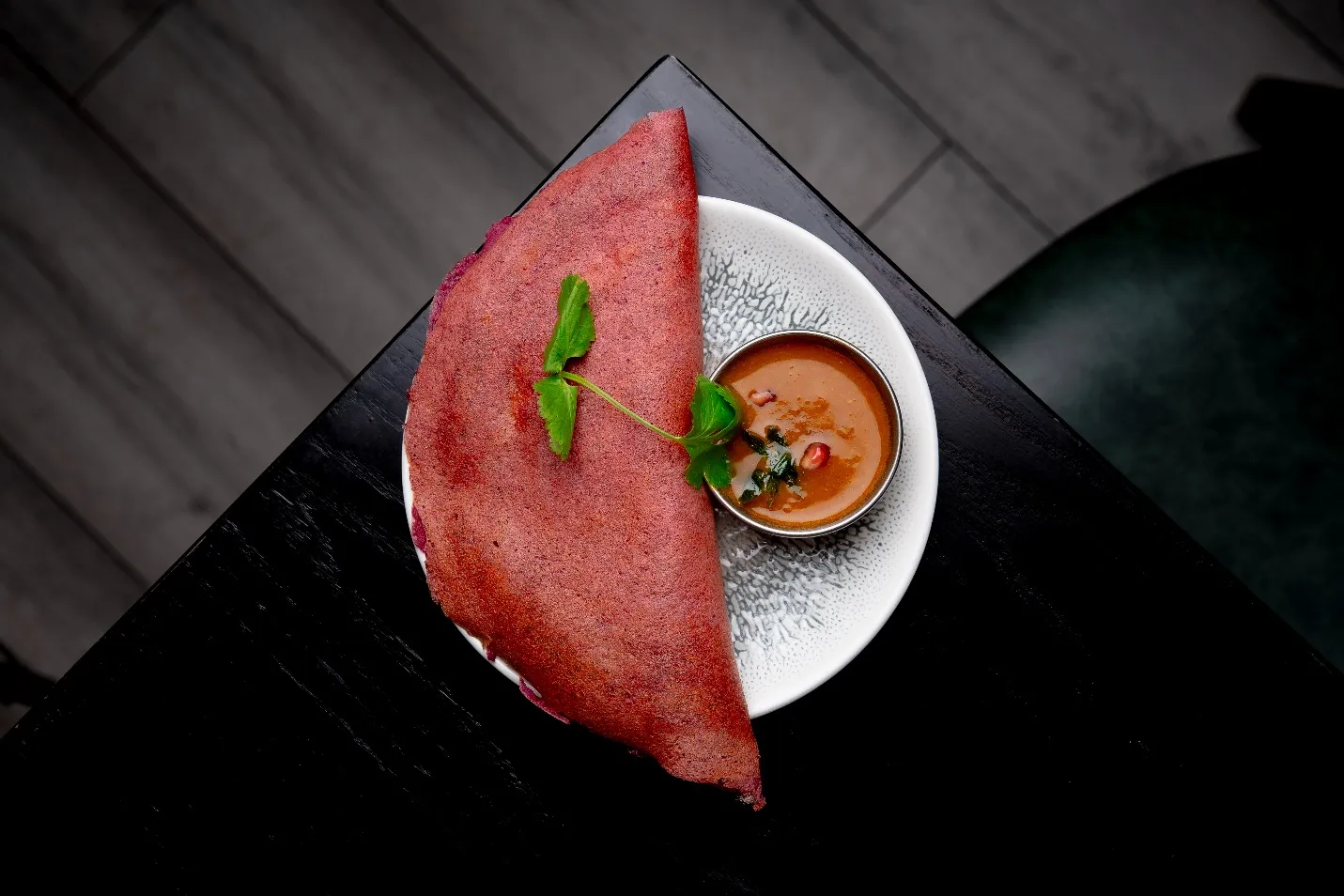
Sharing food can change the whole character of a meal. Instead of everyone concentrating on a single plate, the table becomes a mix of dishes, flavours and conversations. Indian cuisine lends itself particularly well to this style of dining, with breads, curries, rice dishes, grills and smaller plates all easy to enjoy together.
Table of Contents
- Kerala Canteen Builds Sharing Into the Experience
- Dishoom Offers Sharing on a Larger Menu
- Which Restaurant Makes Discovery Easier?
- Think About the Group, Not Just the Food
- Creating a Better Shared Meal
- Conclusion
In Leeds, Kerala Canteen and Dishoom both give groups plenty of opportunities to share, but they approach the experience differently. One focuses closely on Kerala cuisine and small plates, while the other draws on the broad food culture of Bombay.
Indian meals rarely need to follow a strict starter-main-dessert pattern. A table can combine several dishes and create its own progression through the meal.
Sharing is especially useful when dining with friends who have different tastes. Someone may prefer seafood, another might choose meat, while others want vegetarian dishes. Ordering collectively allows everyone to sample more without having to commit to just one choice.
It can also make unfamiliar regional cuisine easier to explore. Trying a few bites from several dishes often feels less daunting than ordering one unfamiliar main course.
Kerala Canteen Builds Sharing Into the Experience
Sharing is closely connected to Kerala Canteen’s style of dining. Its Kerala tapas concept encourages diners to choose a collection of dishes for the table rather than treating every plate as an individual course.
That approach suits Kerala cuisine particularly well because different flavours can be experienced alongside one another. Coconut-led dishes may sit next to peppery preparations, tangy accompaniments, biryanis and vegetable dishes. Moving between them gives diners a broader impression of the region’s cooking.
For groups comparing options for the best Indian restaurant in Leeds, this format is worth considering. The meal can be shaped around how adventurous the table wants to be rather than everyone ordering in isolation.
Dishoom Offers Sharing on a Larger Menu
Dishoom Leeds approaches communal dining differently. Bombay inspire its all-day menu and brings together food associated with the city’s cafés, grills, street stalls and homes.
A group might order small plates first, add grilled dishes, place breads and curries in the middle, or share a biryani. Dishoom also provides group-feasting options, which makes its communal style particularly convenient for larger parties.
The range is broader than at a restaurant focused on one regional cuisine. That can be useful when a group includes diners with very different preferences, as there are several familiar and less familiar routes through the menu.
Which Restaurant Makes Discovery Easier?
For people who enjoy discovering regional food, Kerala Canteen’s narrower focus has an advantage. Rather than moving across several Indian influences, diners can explore how Kerala ingredients and cooking styles change from one plate to another.
The small-plate format helps here. A group could choose several contrasting dishes and experience more of the menu without ordering a full portion of everything.
Searches using the phrase India restaurant in Leeds may bring diners to many different styles of Indian cooking, so checking the menu beforehand is important. Kerala Canteen makes its regional direction particularly clear, which helps groups know what kind of food they will be sharing.
Think About the Group, Not Just the Food
The best sharing restaurant for a particular evening can also depend on the group itself.
Dishoom’s wide-ranging menu can work well when some diners want established favourites while others want to experiment. Its breakfast, lunch and dinner choices also make it flexible across different times of day.
Kerala Canteen may appeal more to a group that specifically wants to discover South Indian flavours together. Because sharing is central to its concept, choosing several plates feels like part of the experience rather than simply a way of ordering.
Dietary preferences matter too. Both restaurants cater for diners looking for vegetarian and vegan choices, but groups should still check current menus and speak to staff about allergies or specific dietary requirements before ordering.
Creating a Better Shared Meal
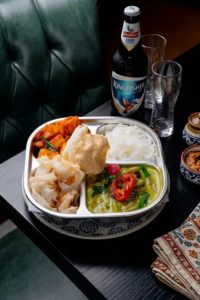
Whichever restaurant you choose, a little planning can improve the experience. Avoid ordering five dishes with similar flavours or textures simply because they are the most familiar names on the menu.
Instead, mix richer dishes with lighter options, include vegetables, add rice or breads where suitable, and ask staff how many plates are appropriate for the size of the group. Their recommendations can prevent over-ordering while helping you try dishes you might otherwise overlook.
Conclusion
Kerala Canteen and Dishoom Leeds both work well for communal dining, although the experience at each is noticeably different. Dishoom provides breadth, bringing together Bombay-inspired small plates, grills, curries, breads and rice dishes in a lively all-day setting.
Kerala Canteen offers a more concentrated regional experience. Its small-plate approach allows a table to explore several aspects of Kerala cooking during one meal, making sharing an important part of how the cuisine is experienced.
For mixed groups wanting wide choice, Dishoom has plenty of flexibility. For diners who want to share food while exploring one distinctive regional tradition in greater depth, Kerala Canteen offers a different and more focused way to gather around the table.


